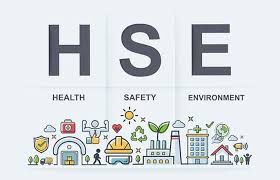
To effectively perform assigned duties and tasks in a safe manner, according to provisions set out in your organization’s HSE management system.
Objectives
To ensure new employees, contractors, and visitors understand safety policies, identify potential workplace hazards, and know emergency procedures to prevent accidents and injuries.
Essential Components
Define Health, Safety & Environment (HSE).
Reasons of maintaining HSE (Moral, Legal & Financial).
Benefits of good HSE practices.
Employer’s and Employee’s responsibilities towards HSE.
The important of Life Saving Rules and Consequences.
Causes of incidents- Unsafe acts and Unsafe conditions (Reporting).
Emergency Procedure & Emergency contacts.
Define Hazard and Risk, ALARP & Dynamic Risk Assessment.
Define Near Miss, incident, & accident.
Hierarchy of controls including Pandemic related hazards, risks, and control measures.
HSE Policy and HSE Management System.
What is Permit to Work (PTW).
Safety Signs.
Importance of Toolbox Talk (TBT).
Personal Protective Equipment types and usage.
Importance of Process Safety.
Different types of hazards.
Common workplace hazards.
Environment protection.
Legislation and Applicable Standards.
Target Population
All new hires, contractors, visitors, and temporary staff entering a work environment. It is essential for personnel across all levels from frontline operators to management to understand company safety policies, emergency procedures, and site-specific hazards.